Musculoskeletal physiotherapy
Assessment of joint range, strength and posture, followed by manual therapy and a graded exercise plan for back, neck, shoulder and knee complaints.
Ten years of hands-on physiotherapy — musculoskeletal, neurological, stroke and sports rehabilitation. Assessment first, treatment plan second, measured outcomes throughout.
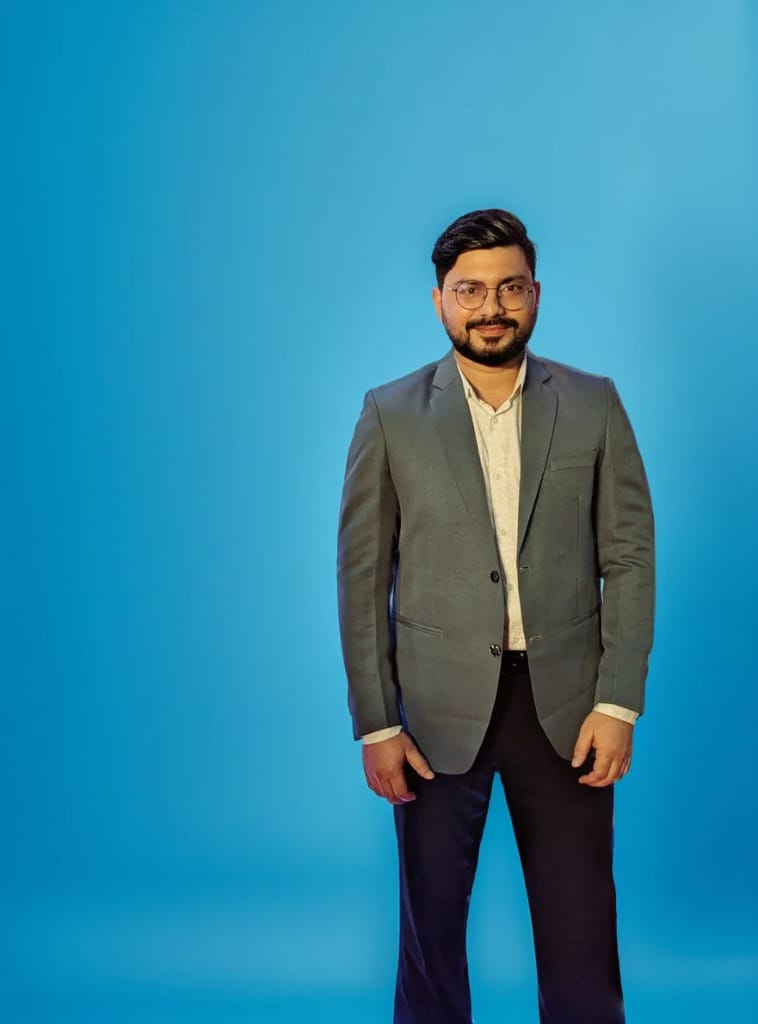
Md. Sultan Mahmud is a senior physiotherapist practicing in Banani, Dhaka. Ten years in the clinic — musculoskeletal, neurological, stroke, pediatric and sports rehabilitation — with an MDMR from Bangladesh Open University and a BPT from the University of Rajshahi. He treats patients in Bengali and English.
Assessment of joint range, strength and posture, followed by manual therapy and a graded exercise plan for back, neck, shoulder and knee complaints.
Task-based retraining for patients living with nerve or brain conditions, working on balance, coordination and everyday function.
Post-stroke sessions using NDT and PNF to restore movement on the affected side, with regular measurement of progress.
Return-to-play planning for athletes: injury assessment, taping, targeted strengthening and a prevention protocol before the next season.
Sessions for children with developmental or movement difficulties, coordinated with the family and, where useful, the child's school.
Long-term care planning that focuses on function, independence and mobility aids appropriate to the person and their home.
History, hands-on examination and measured range of motion — before anything is prescribed.
The findings are read together to name the actual problem, not just the symptom the patient walked in with.
A written plan with clinic sessions, home exercises and the tools that fit — manual therapy, PNF, taping or dry needling as needed.
Progress is measured each visit. When you leave, you leave with a plan to keep the problem from coming back.
Two ongoing clinical projects that shape how patients are assessed and treated in the chamber.
In Bangladesh, musculoskeletal and neurological complaints (say, shoulder pain) are usually treated only for their structural cause. Patients feel relief, but the problem returns — and over time the central nervous system adapts, motor patterns shift, and the case becomes complex. This project treats the functional dimension with equal weight, from day one.
For people living with stroke or paralysis, building new neural pathways is genuinely hard. Applied correctly, motor-control theory — graded, repetitive, task-specific practice — returns patients to the highest level of normal life that their nervous system will allow.
Occasional essays on the body as a machine — mechanics, rehabilitation, neuroplasticity — mostly in Bengali.
Ten years of clinical work, an MDMR from Bangladesh Open University, and steady mentoring of physiotherapy students and interns. Available to universities and training programs in Dhaka for guest lectures, clinical instruction and course development.
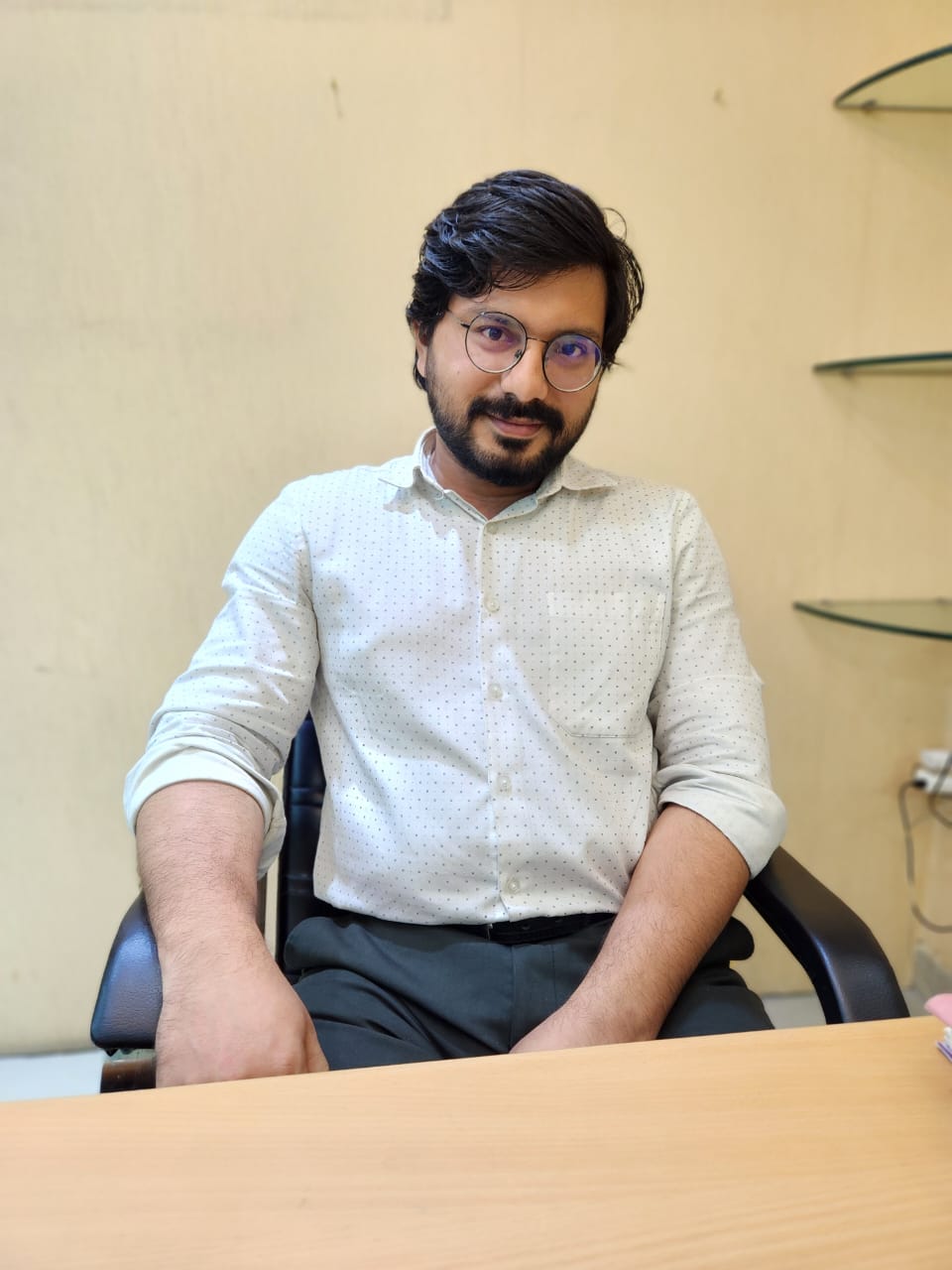
Consultations in Bengali and English. Chambers in Banani, Dhaka, Bangladesh.